Refreshing the latest version...
Refreshing the latest version...

Published: Nov 8, 2026, 10:00 AM
Read Time: 3 min
0:00
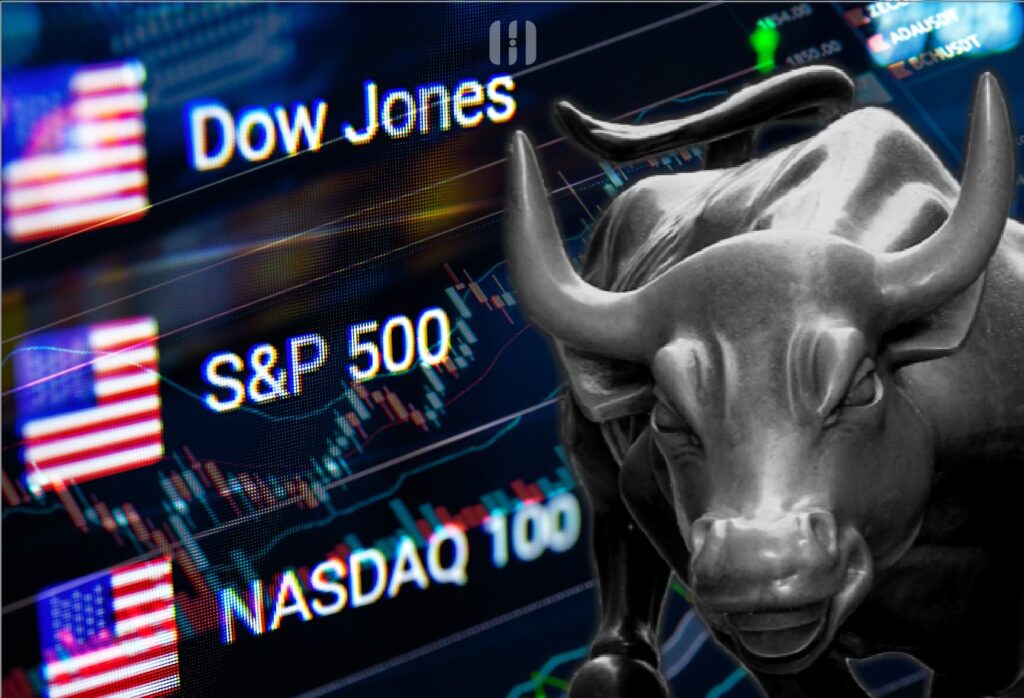
The stock market consists of various indices that reflect the performance of different segments of the economy. The DOW, NASDAQ, and S&P 500 are three of the most significant indices and serve as barometers for overall market health. The DOW, comprising 30 large companies, often reflects the industrial sector's performance. The NASDAQ, home to many technology stocks, is known for its volatility and growth potential. Meanwhile, the S&P 500 includes 500 of the largest U.S. companies and provides a broad view of the market's performance.
Currently, the DOW has been influenced by fluctuations in traditional sectors, including energy and finance. The absence of top gainers and decliners suggests a period of stability, but that can often precede shifts in market sentiment or economic indicators. Investors should keep an eye on key earnings reports and economic data that could impact these sectors.
In the tech-heavy NASDAQ, the lack of top gainers and decliners indicates a wait-and-see approach from investors. Many tech stocks have been under pressure due to rising interest rates and inflation concerns. However, if the broader economic outlook improves, we might see a resurgence in tech stocks, which could significantly lift the NASDAQ index.
The S&P 500, with its diversified mix of sectors, also shows no standout gainers or decliners at the moment. This may indicate a consolidation phase where investors are assessing the market’s direction. Factors like consumer spending, inflation rates, and corporate earnings will play a pivotal role in determining the next moves for this index.
In summary, while there are no standout performers currently in the DOW, NASDAQ, or S&P 500, this lack of movement can suggest a time of reflection for investors. As economic indicators are released and companies report their earnings, we may soon see shifts that could impact these major indices significantly. Investors should remain vigilant and ready to react to upcoming news and market trends that could define the next phase of market momentum.